5 Media Trends Every PR Pro Should Know: August 2026 Media Signals
August 25, 2026
Every month, Pitchcraft identifies the biggest shifts shaping journalism and media relations.
Key Takeaways
- Newsletter-first publishing is making newsletter writers and editors essential media contacts.
- Greater editorial transparency is helping writers send stronger, more useful pitches.
- Phone calls and real-time conversations are reemerging as alternatives to overcrowded inboxes.
- Publications with distinct points of view are standing out in crowded editorial categories.
- As AI becomes embedded in media work, personal accountability matters more than ever.
Check out the top five media trends we’re watching right now — and what they mean for PR professionals looking to stay one step ahead. Consider these your coffee shop conversation starters this month.
Newsletter Editors Are the New Popular Kids
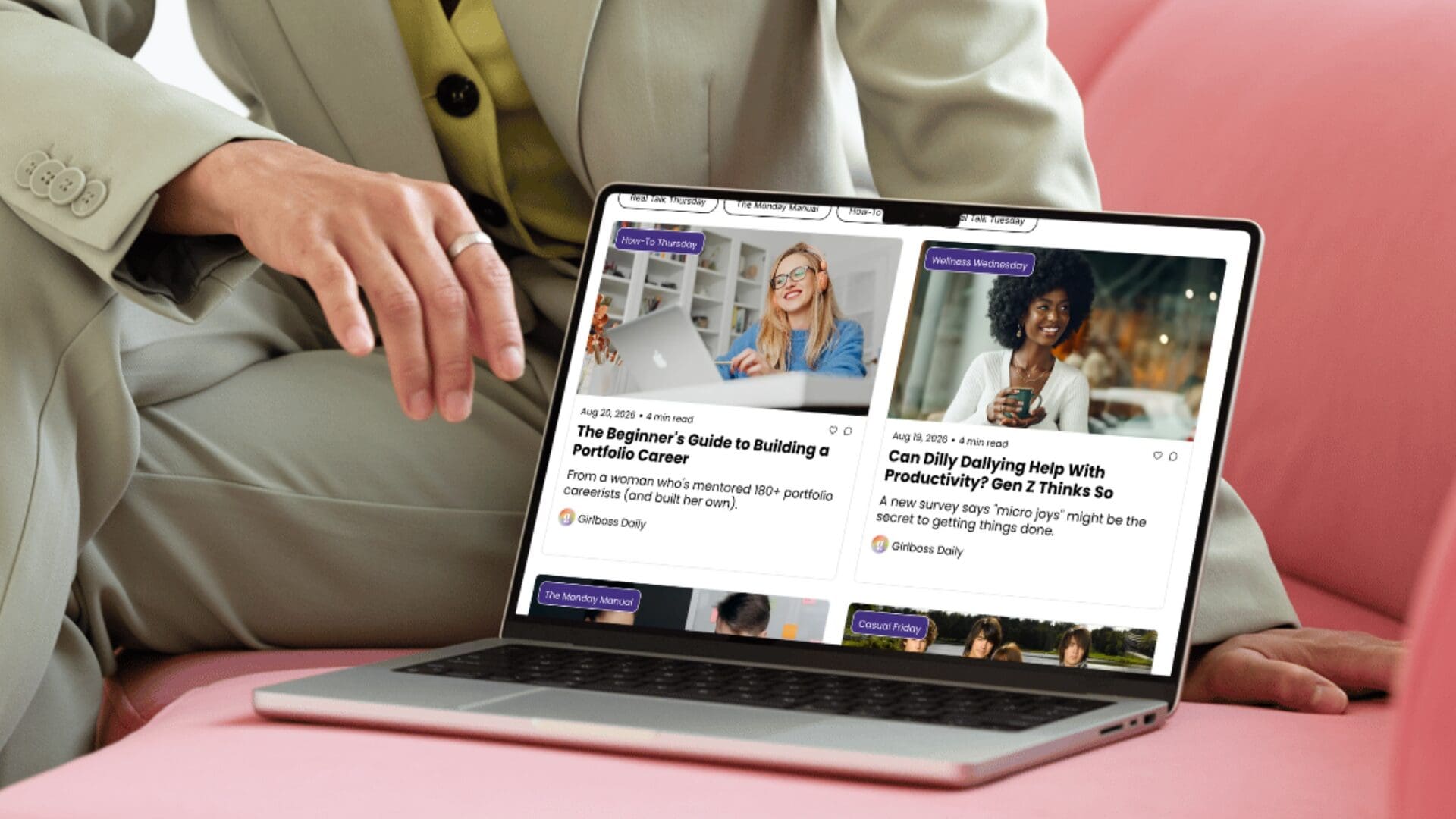
Call it the Substack effect (again). Brands are realizing their email lists may be their most valuable assets and shifting toward newsletter-first strategies. Victoria Christie, for example, is executive editor at Girlboss, but she also oversees and writes the brand’s Monday-through-Friday daily newsletter.
Meanwhile, brands are building Substacks and hiring journalists specifically to write them: Travel + Leisure recently contracted a writer to cover aviation for The Fast Track, while 3rd Space posted a hospitality news writer role centered on producing a weekly Substack newsletter.
Why it matters: Newsletter editors are becoming essential media contacts, but their titles rarely say “newsletter editor.” Find out who actually writes each newsletter, study its format and pitch for the inbox—not just the website.
Editors Are Slowly Getting More Transparent
We saw a wave of freelance writers launch newsletters from about 2022–2024, but rarely do editors use newsletters to tell writers exactly what they want. That’s why On the Pitch, from Allrecipes Senior Editor Bridget Olson, feels so notable. More than 1,600 people have signed up to learn how and what to pitch Allrecipes, and Bridget says it has been a “game changer” in helping her receive stronger pitches she can actually use. It’s personal, practical and couldn’t embody the Pitchcraft ethos more.
Why it matters: The more editors reveal, the more likely they are to get what they want. Treat this kind of access as an opportunity to listen and learn—not simply as another distribution list.
It’s Time to Brush Up on Your Phone Etiquette
PR databases and AI have made it easy to send mass blasts of supposedly personalized pitches, and the resulting AI slop has made journalists and editors resent their inboxes. So I was stunned to see Hanna Raskin announce that pitches for The Food Section will shift to phone calls this fall—and even more intrigued by how many top editors embraced the idea. We’re jumping into this at Pitchcraft, too, by bringing back our 2024 Phone Experiment, which paired 25 PR pros with 25 journalists for individual live calls, this October.
Why it matters: The elevator pitch is back. PR pros need to practice explaining an idea clearly and conversationally, while both sides should become more open to building relationships through real-time discussion.
A Clear Point of View Is the Linchpin
Another travel magazine. Another wedding magazine. Another parenting magazine. They’re all meh until they take a stand. The most interesting new publications aren’t trying to cover everything: Altar examines weddings and celebrations through a cultural lens (read: no brand fluff pieces); Momé offers a no-holds-barred take on modern motherhood; and Craft focuses its travel coverage not on where to go and what to see, but on whom to meet when you get there. Each is staking out a distinct point of view on a familiar topic—and standing out because of it.
Why it matters: Knowing that a publication covers travel, weddings or parenting isn’t enough. Understand the argument it’s making, what it deliberately does differently and how your pitch fits that point of view.
Owning the Byline Matters More Than How It Was Written
LinkedIn is filled with freelancers protesting AI-generated PR pitches, while some editors are making virtually any AI use—from writing to refining—grounds for rejection. But I think we may be drawing the line in the wrong place. I raised this in a LinkedIn post six months ago, and the debate resurfaced amid outrage over a Financial Times columnist using AI to condense something he had already written. More recently, proposed edits to the Society of Professional Journalists’ code of ethics reinforced the importance of accountability—without naming AI explicitly.
Why it matters: Automation does not dilute accountability; it concentrates it. If you use AI anywhere in your process, personally verify and be prepared to defend everything you submit. The tool doesn’t own the result. You do. That’s why trust is the all-important commodity.
What media shifts are you noticing?
Every month, the Pitchcraft team analyzes journalist conversations, media requests and industry developments to identify the signals shaping earned media. If you’re seeing something we missed, we’d love to hear from you. Want to check out last month’s Media Signals? Read it here.
Frequently Asked Questions
What are the biggest media trends affecting PR professionals in August 2026?
The biggest shifts include the rise of newsletter-first publishing, greater transparency from editors, renewed interest in phone pitching, growing demand for publications with distinct editorial points of view and an increased focus on personal accountability when using AI.
How should PR professionals adapt their pitching strategies?
PR pros should identify who actually writes a publication’s newsletters, closely follow editors’ stated preferences, strengthen their verbal pitching skills and tailor every idea to the publication’s specific point of view. Any work created or refined with AI should also be personally verified before submission.
Why is accountability becoming more important as AI use grows?
AI can assist with research, drafting and refinement, but it cannot take responsibility for the final work. Journalists and PR professionals remain accountable for the accuracy, originality and integrity of everything they submit under their names.

Ready to join the movement?
Are you inspired to be a part of a community that demonstrates gratitude, courtesy and humility, actively striving to deepen professional relationships among journalists and PR? At Pitchcraft, we prioritize relationships over transactions and believe in taking the professional high road, always.
If you’re ready to experience the power of a relationships-focused approach and want to connect with like-minded professionals who share these values, I invite you to join us in Pitchcraft. Explore our platform and start engaging with a community that values transparency, collaboration, and mutual success. Together, we can redefine the industry standard and create a space where everyone truly enjoys firing up their laptops.
Leave a Reply Cancel reply
@joinpitchcraft
Download 25 ChatGPT prompts smart PR pros should be using in 2026
Website Design by Current Design Studio | Privacy Policy | Terms & Conditions